

Finding the right place to live is an important step towards greater independence, comfort and confidence. For people living with disability, the right accommodation can make everyday life easier while providing the support needed to achieve personal goals. If you are exploring disability accommodation in Sunshine Coast, understanding the available options can help you make an informed decision.
The National Disability Insurance Scheme (NDIS) offers different types of home and living supports to eligible participants. Each option serves a different purpose, depending on a person’s daily support needs, living preferences and goals. This guide explains the main accommodation options, what to consider when choosing a home and how to get started.
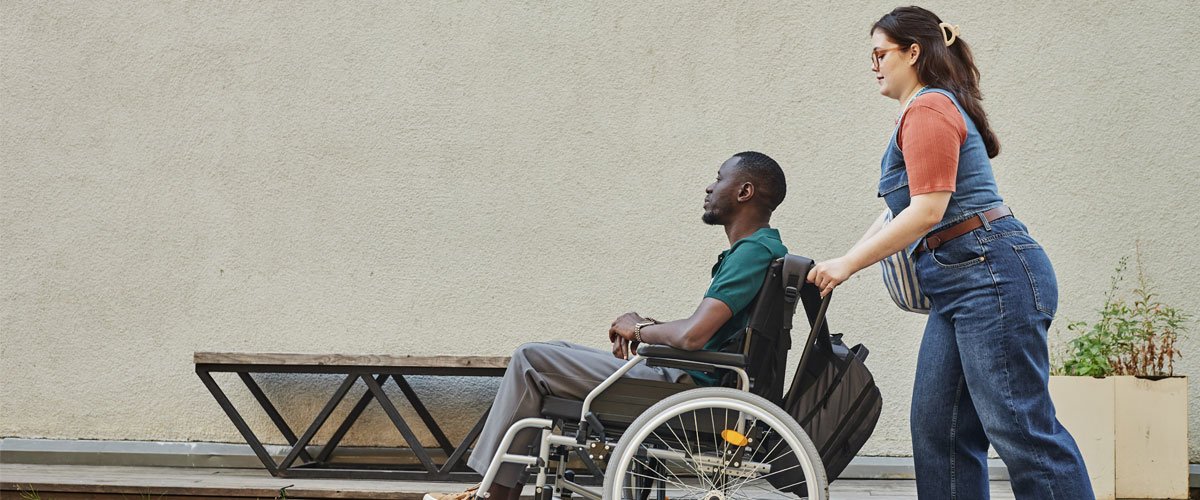
What Is Disability Accommodation?
Disability accommodation refers to housing options that help people with disability live safely, comfortably and as independently as possible. Depending on individual needs, this may involve living alone, sharing a home with other people or moving into a specially designed property.
In Sunshine Coast, participants may explore accommodation options in different communities based on their preferred location, access to services, family connections and lifestyle.
The right arrangement should do more than provide a place to stay. It should also support personal choice, privacy, daily routines and opportunities to participate in the community.
Types of NDIS Disability Accommodation on the Sunshine Coast
The NDIS offers several home and living support options. Understanding how they differ can help you identify which arrangements may suit your circumstances.
1. Supported Independent Living (SIL)
Supported Independent Living (SIL) provides funding for support workers to help eligible participants with everyday activities in their homes. This option may suit people who need regular assistance or supervision throughout the day and night.
Depending on individual needs, support workers can assist with personal care, preparing meals, cleaning, following daily routines and developing practical life skills.
SIL often involves sharing a home with other participants, although the support arrangement depends on individual circumstances. The main goal is to help people build independence while receiving the assistance they need.
It is important to understand that SIL funding covers support workers rather than rent, groceries or household bills.
2. Specialist Disability Accommodation (SDA)
Specialist Disability Accommodation (SDA) provides purpose-built or specially designed housing for eligible NDIS participants with extreme functional impairment or very high support needs.
These homes may include wider doorways, accessible bathrooms, wheelchair-friendly layouts, ceiling hoists and assistive technology. The exact features depend on the property’s design category and the participant’s requirements.
SDA can help people live more independently while allowing support workers to deliver assistance safely and effectively. However, SDA funding covers the eligible housing component, not daily personal care or other in-home support services.
Some participants receive both SDA and SIL funding because they need specialised housing as well as regular assistance.
3. Individualised Living Options (ILO)
Individualised Living Options (ILO) allow eligible participants to explore flexible living arrangements that reflect their preferences, relationships and support needs.
For example, a person may choose to live with a host, share a home with people they know or arrange another suitable living setup. The support model can combine paid assistance with help from family, friends or other people in the community.
ILO focuses on creating a living arrangement that works for the individual rather than following a single housing model. Participants can explore different ways to receive support while maintaining control over their daily lives.
4. Other Home and Living Supports
Some people may not need SIL, SDA or ILO. They may benefit from assistance with daily living in their existing home, suitable home modifications or temporary accommodation in specific circumstances.
Home modifications can improve accessibility and safety. For instance, installing grab rails, modifying a bathroom or improving access between rooms may help someone move around more comfortably.
The NDIS considers each participant’s circumstances when assessing funding eligibility. Not every accommodation or housing expense qualifies for NDIS funding, so it is worth discussing your options with your NDIS contact or support coordinator.
How to Choose the Right Disability Accommodation
Choosing accommodation involves more than finding an available property. You should consider how well the home and its support arrangements match your everyday needs.
Accessibility and safety: Check whether the property has suitable entrances, accessible bathrooms, enough space to move around and any equipment you require. Consider whether the layout supports your mobility and personal care needs.
Level of support: Think about the assistance you need with daily activities, including personal care, meals, medication routines where appropriate and overnight support. Choose an arrangement that matches your assessed needs.
Location and community access: Consider how easily you can reach medical appointments, shops, public transport, recreational facilities and community activities. Staying close to family and friends may also be important.
Privacy and lifestyle: Consider whether you prefer living alone or sharing a home. If you plan to share, discuss compatibility, household routines, personal boundaries and shared responsibilities before making a decision.
Costs and agreements: Ask about rent, household bills, service agreements and any other costs you must pay. Make sure you understand which expenses your NDIS funding covers and which remain your responsibility.
How to Find Disability Accommodation on the Sunshine Coast
Start by reviewing your current NDIS plan and identifying the home and living supports you may need. Your support coordinator, local area coordinator or NDIS contact can help you understand the available options and the process for requesting funding.
Next, speak with disability accommodation providers about their available properties, support services and eligibility requirements. Ask questions about staffing arrangements, housemates, accessibility features and how the provider supports personal choice.
If you are looking for SDA, you can also use the official NDIS SDA Finder to explore advertised vacancies by location, building type and design category. Keep in mind that not every vacancy appears on the platform, so contacting providers directly may help you find other options.
Before committing to an arrangement, visit the property where possible, discuss your needs with the provider and carefully review the relevant agreements. Take time to understand your rights, responsibilities and available support.
Find the Right Accommodation for Your Needs
Finding suitable disability accommodation on the Sunshine Coast can help you build a lifestyle that reflects your needs, preferences and goals. Whether you are considering SIL, SDA, ILO or other home and living supports, focus on finding an arrangement that respects your independence and provides the right level of assistance.
At Hosanna Care, we understand that finding the right accommodation is about more than having a place to live. It is about feeling safe, respected and supported in your daily life. We are committed to helping people with disability explore suitable support options that align with their individual needs, preferences and goals. Our aim is to help participants make informed choices and work towards greater independence and a better quality of life. If you are exploring disability accommodation in Sunshine Coast, get in touch with Hosanna Care to discuss your needs and learn more about the support options available to you.